Scalable Design System for AI-First Events Platform
Established unified design language for Eventz.ai app by building scalable and robust design system.
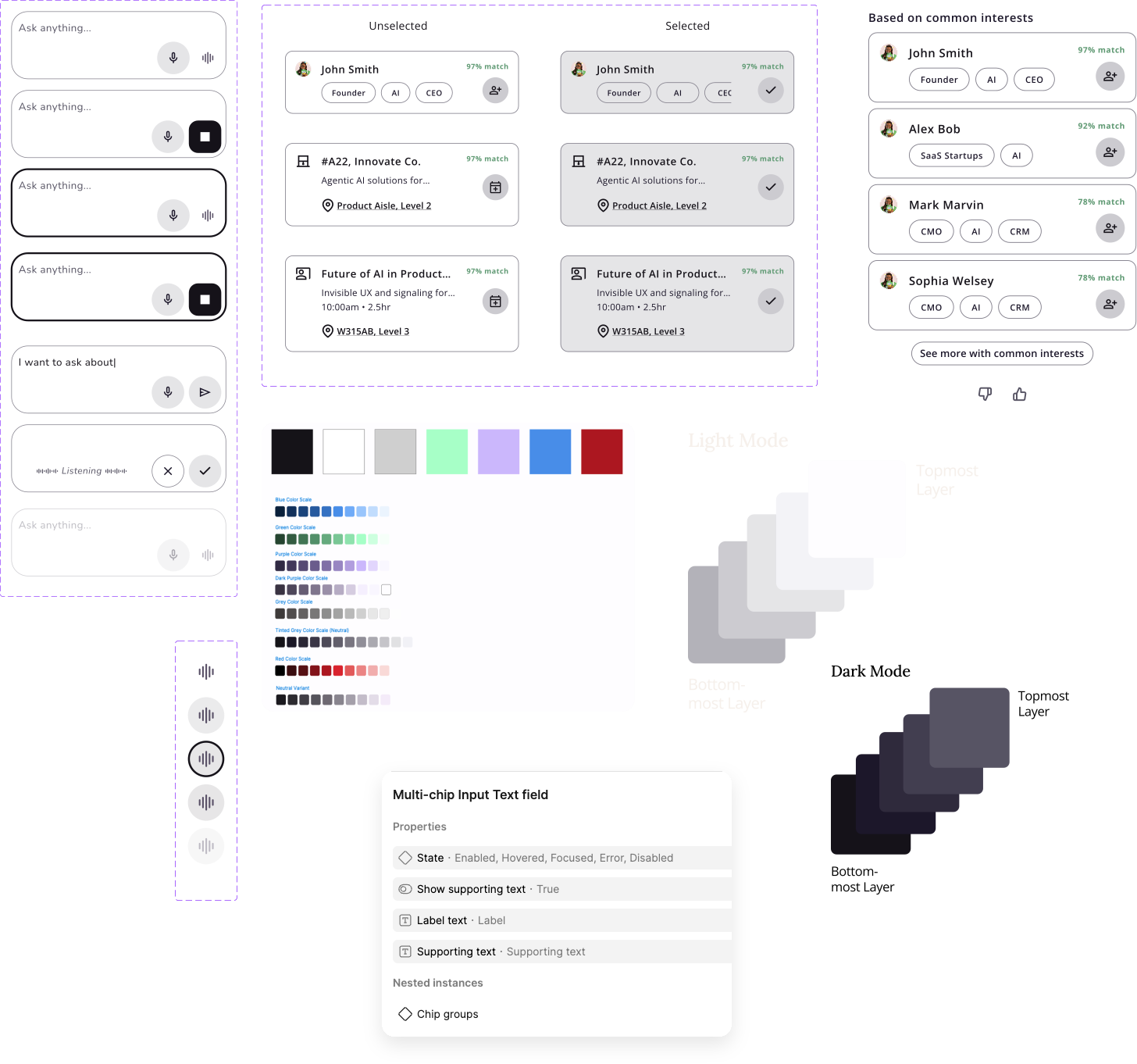
Overview
As Eventz.ai app scaled, the product team faced design inconsistencies, repetitive workflows, and technical debt. There was no single source of truth for design or engineering, making it hard to deliver cohesive experiences.
To establish a unified design language, I single-handedly spearheaded the end-to-end development of a scalable design system for the AI interface that would accelerate workflows and ensure a cohesive, and accessible user experience.

My Contribution
Competitive Audit, Design Principles, Component and Pattern Libraries, Documentation, Mentoring Team Members
The Outcome
- Achieved a 3X increase in design efficiency.
- 60% faster in design-to-tech handoff cycle time.
- Saved 10 hours per week for the design team.
- Built a scalable system bridging AI + traditional UX.
Design Process
1. Competitive Audit
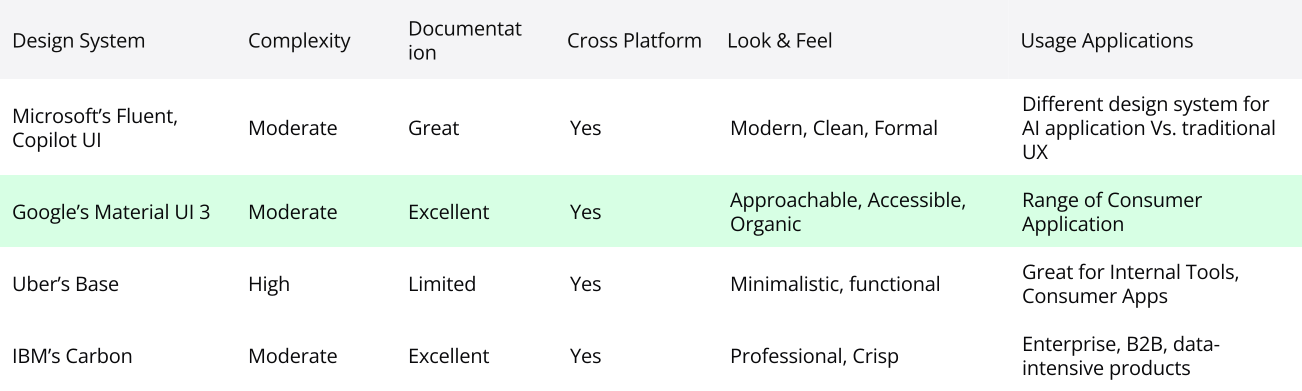
I conducted a detailed competitive audit of leading design systems like Google's Material UI 3, Microsoft's Fluent, Uber's Base, and IBM's Carbon. I closely studied the documentation and application of each. I ultimately decided to build our system on top of Google's Material UI 3 for its approachable and accessible foundation.
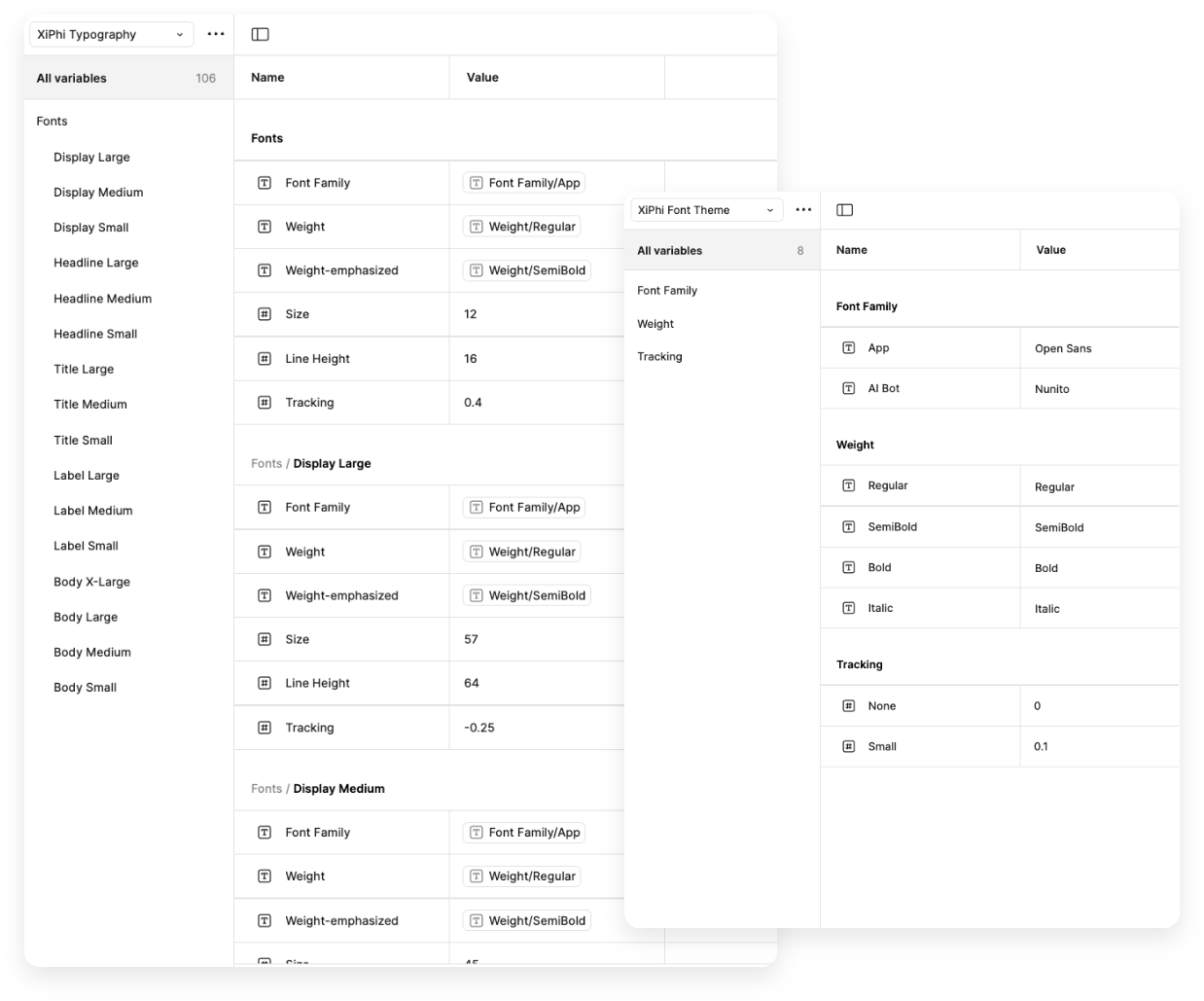
2. Design System Foundation
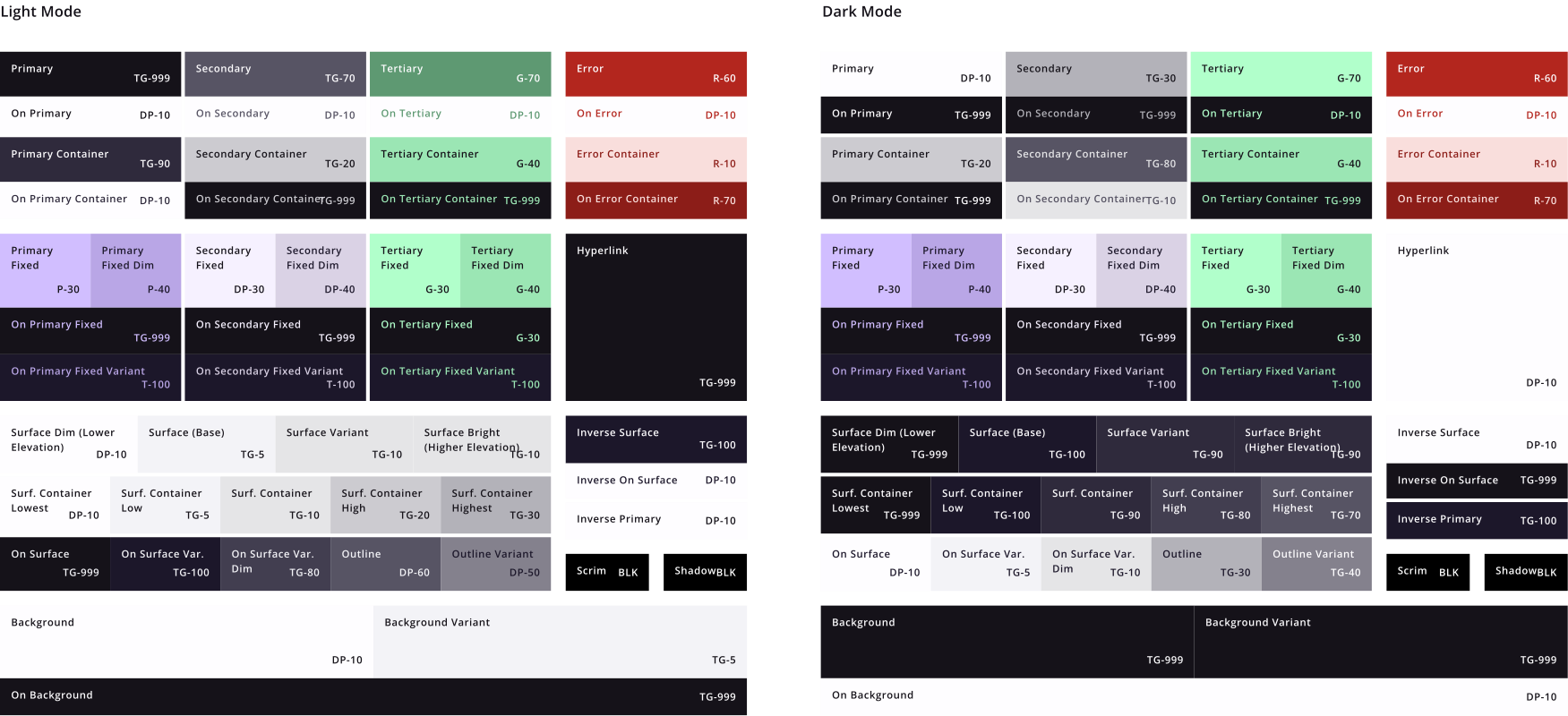
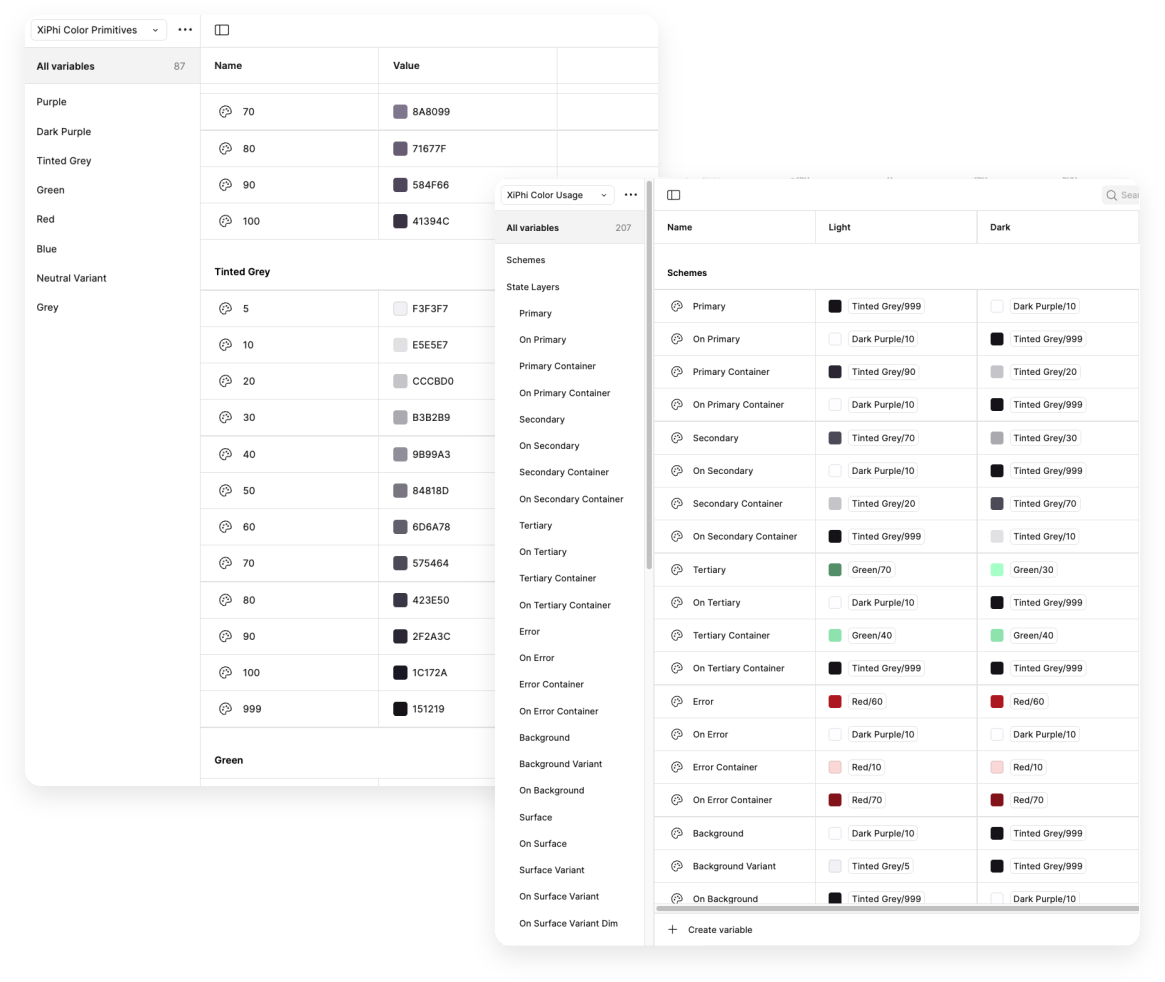
Based on the audit insights and multiple stakeholder POVs and feedback, we established 6 core design
principles for Eventz.ai design system.
Consistency, Scalability, Accessibility, Minimalistic, Functional, Efficient
3. Components Design
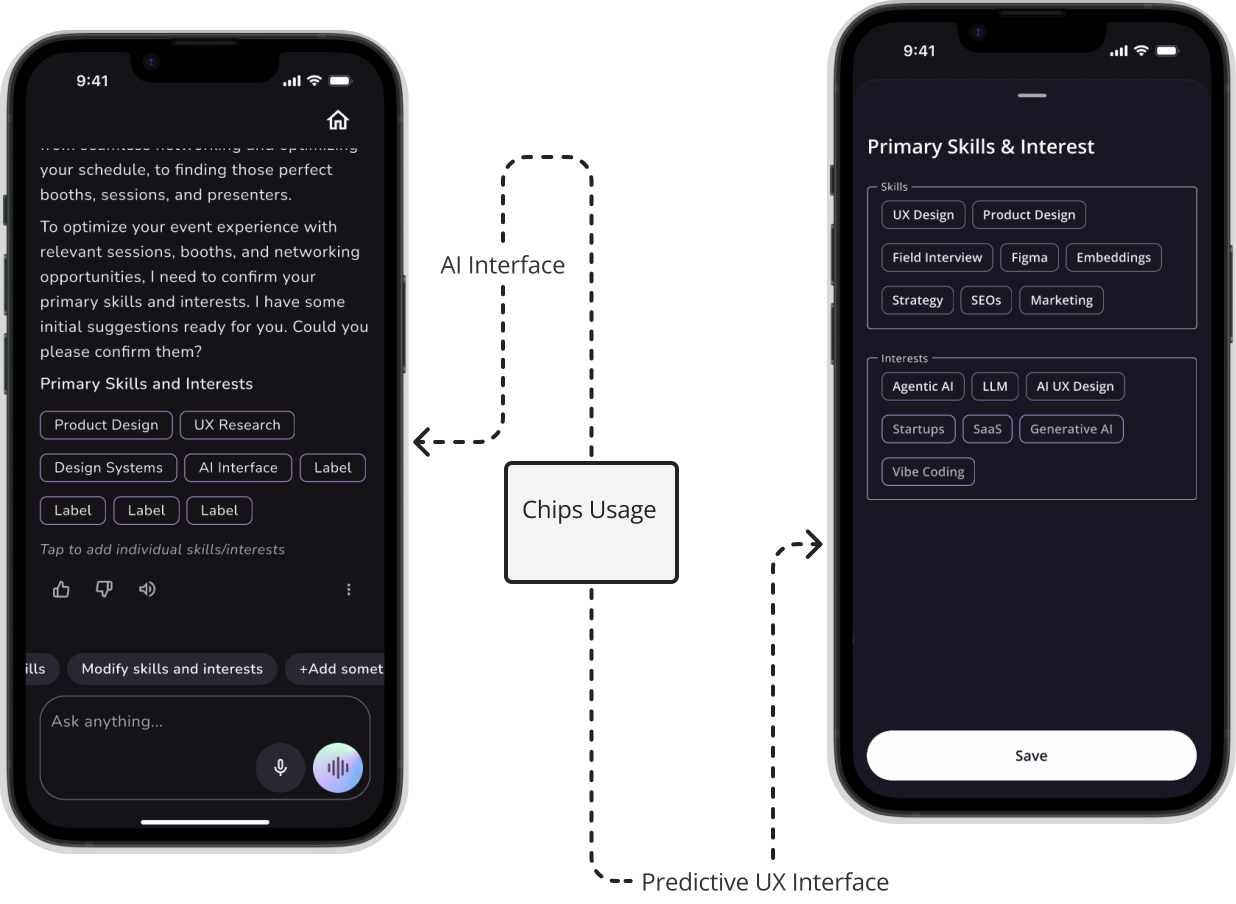
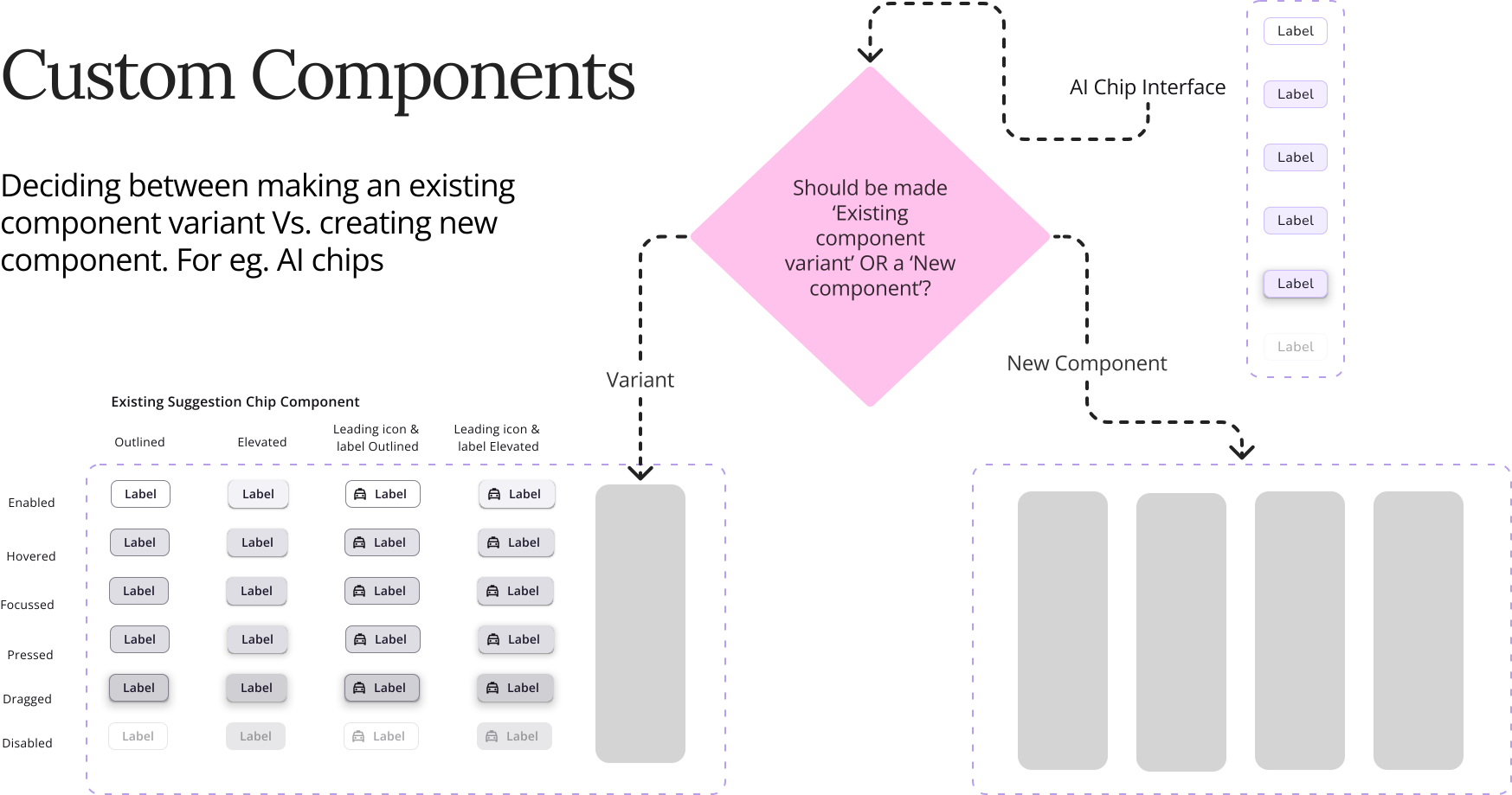
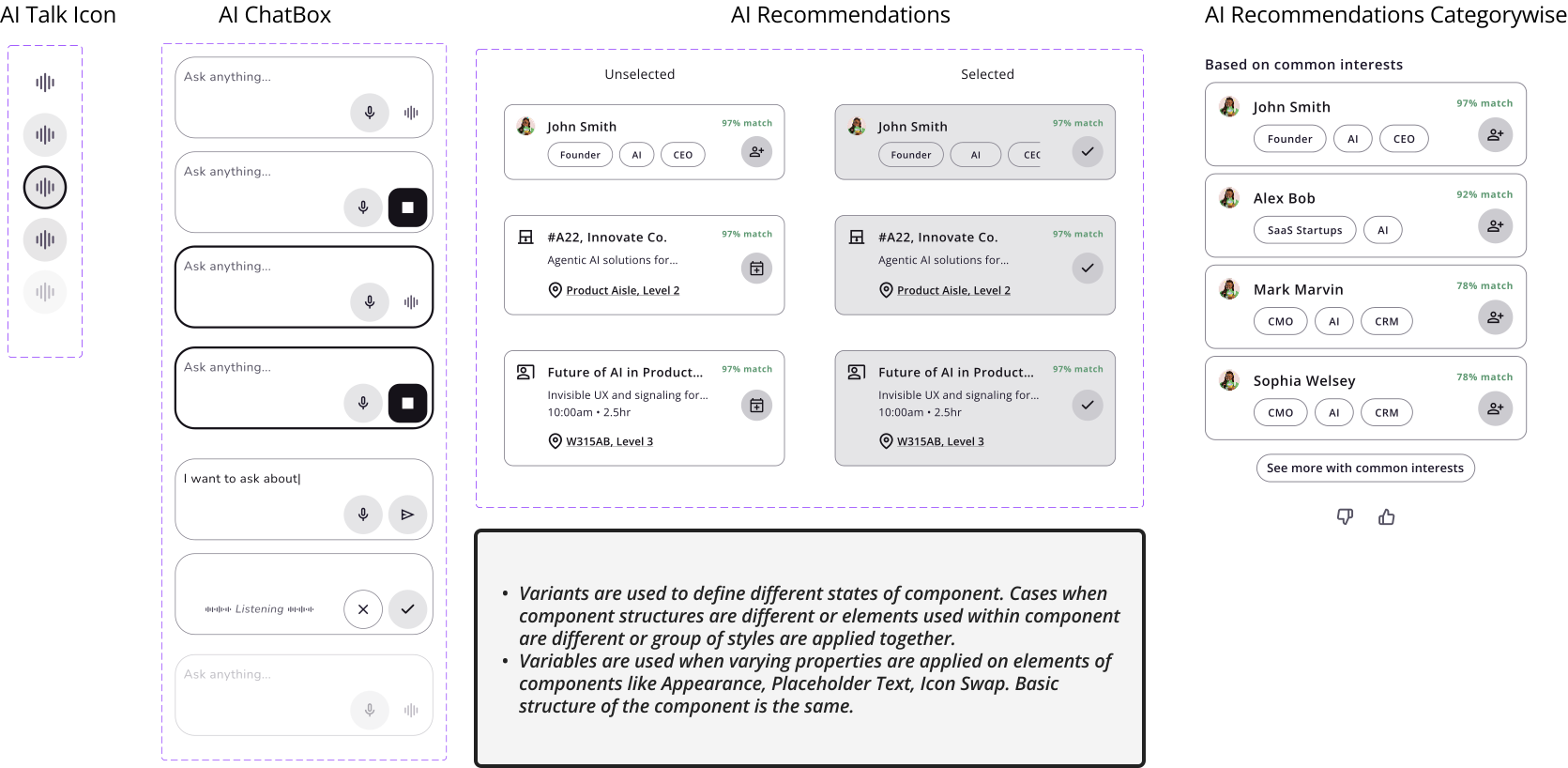
Designing custom AI components to seamlessly integrate component usage across traditional UX and AI conversation interface.
4. Empowering and Educating the Team
Empowering the Team: Being the most technically proficient member in the design group, I, through peer-learning approach guided design team, through the entire process from complex component creation in Figma to its final publication in our design system library.
This ensured the team could independently contribute, maintain, and scale our component library, fostering a more collaborative and efficient workflow.
Impact & Learnings
The design system successfully shifted designers and developers behavior from manual tracking of changes to automated publishing of components, resulting in a significantly more efficient and collaborative workflow.
My Learnings: Designing scalable design systems for AI-native products, Peer mentoring, Handoff for the engineering team.